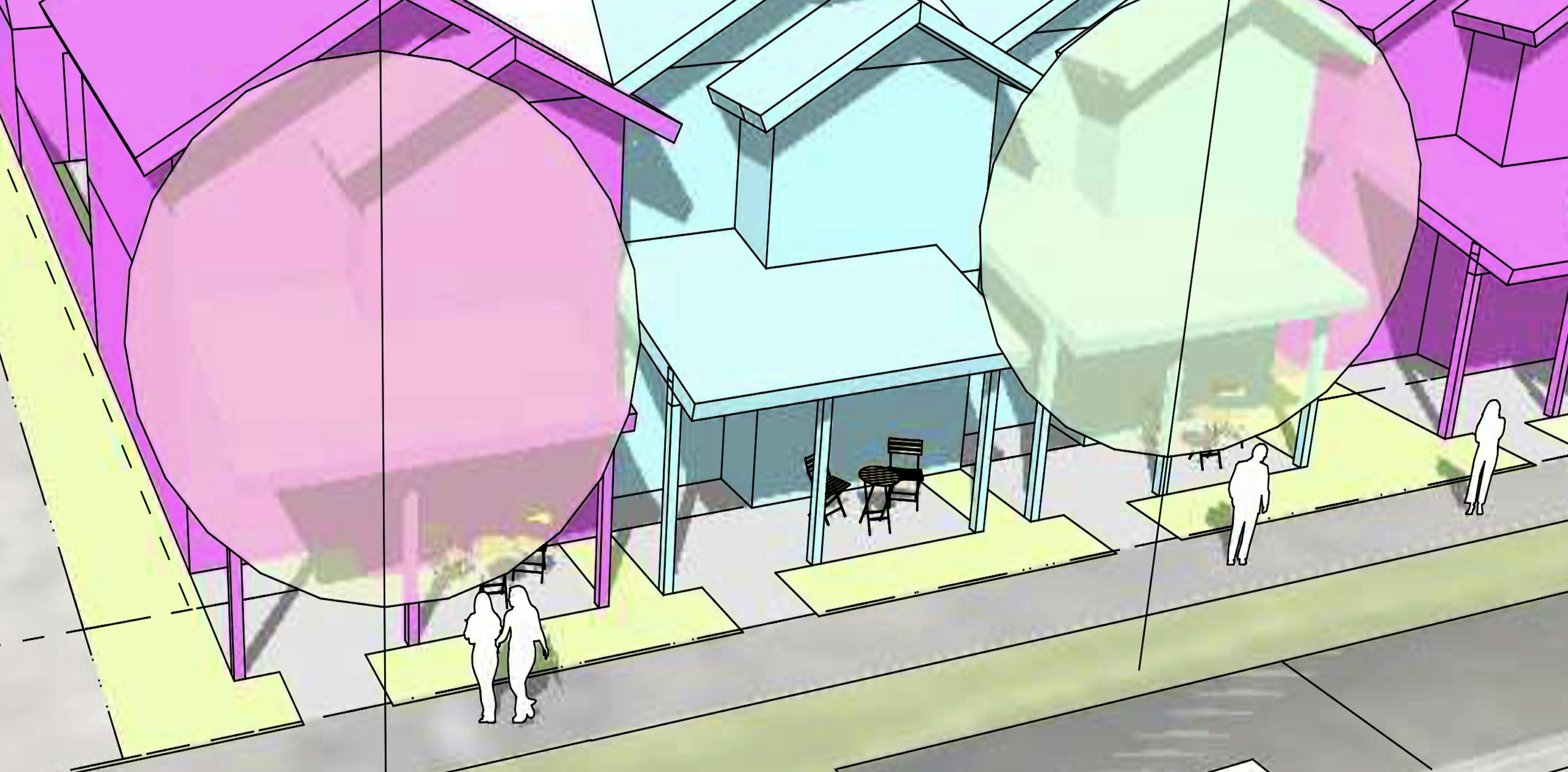
Signal West Project
Development Process → Conceptual Budget Phase
Teton Valley Housing recently completed the Conceptual Design for Signal West, a new neighborhood in Driggs that focuses on livability and serving those employed in Teton Valley. Please consider a donation to the Signal West Catalyst Fund to help move this new model and exciting project forward!
SIGNAL WEST PROJECT
Signal West is the name given to a 1.136-acre site in Driggs, Idaho, planned for workforce housing. The property was acquired in cooperation with The Nature Conservancy and Teton County, Idaho. The name honors the site’s historical connection to the Teton Valley Branch of the Oregon Short Line Railroad, and its location on Front Street in Driggs offers proximity to downtown, parks, and schools.
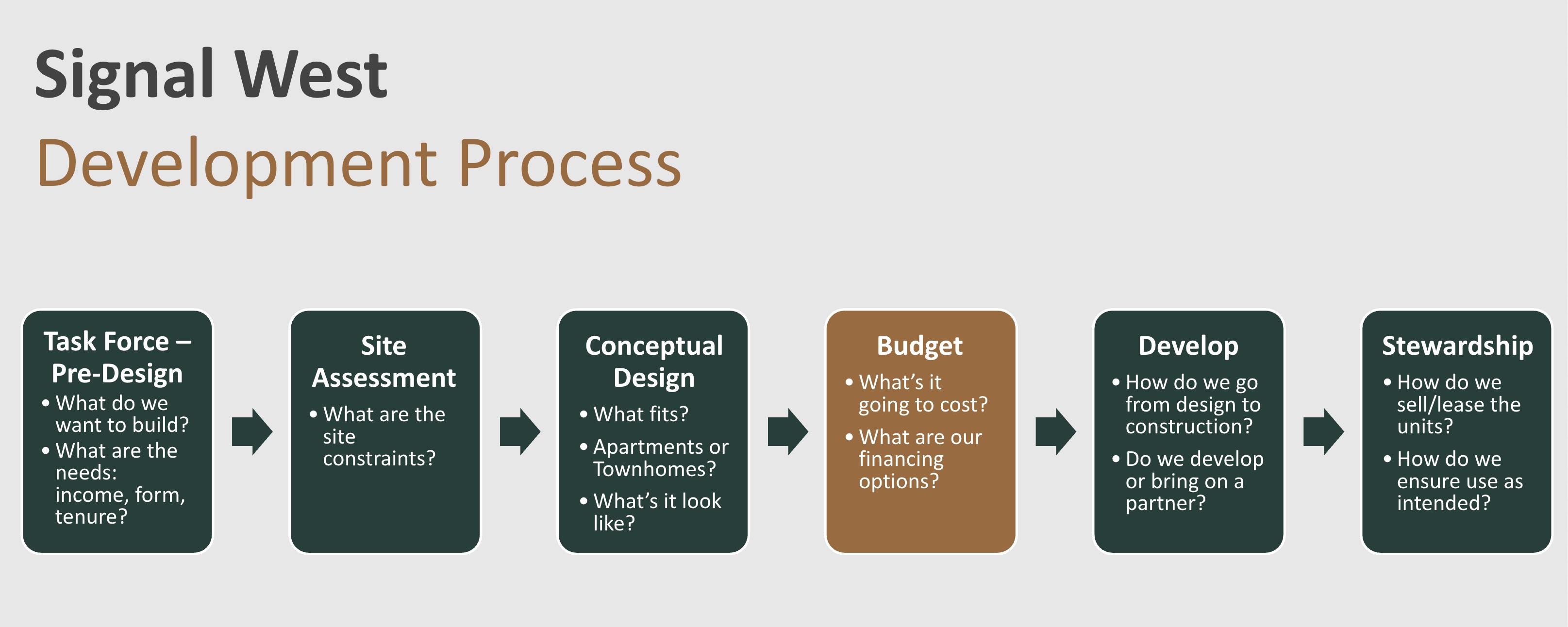
DEVELOPMENT PROCESS 1 → SIGNAL WEST HOUSING TASK FORCE
The Signal West Housing Task Force was established on September 4, 2024, by the Teton Valley Housing Commissioners through the approval of an Advisory Committee Charter. This advisory group was created to guide the pre-design phase of the Signal West Project and to provide development programming recommendations to the Teton Valley Housing Commissioners that align with the organizational vision and mission.
Teton Valley Housing Vision:
To facilitate the development of diverse, permanently affordable housing options within city limits that will support public service agencies, enhance the local economy, add vibrancy to downtowns, and help preserve the rural character of the area.
Teton Valley Housing Mission:
The mission of Teton Valley Housing shall be to create diverse, permanently affordable housing opportunities in Teton Valley.
The Signal West Housing Task Force was formed specifically to:
- Clearly define the goals and objectives aligned with the mission of Teton Valley Housing to create diverse, permanently affordable housing opportunities in Teton Valley.
- Recommend programming approaches at the Signal West site to effectively address below-market-rate (BMR) housing needs.
- Address funding options, strategies, and potential risks associated with the Signal West project.
- Facilitate robust community engagement and foster broad community support.
The Signal West Housing Task Force met six times between October 2024 and March 2025 to develop and finalize comprehensive recommendations to the Teton Valley Housing Commissioners.
FINAL RECOMMENDATIONS
Signal West Project Goal →
A place where occupants thrive, and that the community is proud of. A project that cost-effectively addresses the housing needs of working residents priced out of market housing, gives preference to public service agency employees, and establishes a process that is replicable for future Teton Valley Housing developments.
Signal West Project Objectives →
Genuine Community Engagement
...through the Signal West Housing Task Force, one-on-one meetings, and targeted outreach to small, diverse groups. Foster trust and collaboration by maintaining transparency throughout the process.
Cost-Effective Development
...with a focus on a residential-only project. Pursue “by right” application to streamline approval and focus on a single tenure—either ownership or rental, not both. Emphasize simple, straightforward architecture that maintains a residential character.
Bulk & Scale
...that optimizes the number of units while ensuring each remains livable and fits well within the surrounding neighborhood and the City of Driggs. Encourage reduced car usage; right-size parking, and actively manage its use. Provide adequate, secure storage—potentially in exchange for reduced shared outdoor space.
Spend Time on Design
...to create functional buildings and units that incorporate sustainability and consider both resident and community experience. Optimize the site with dual-purpose features—for example, shared spaces that also manage stormwater retention.
Modest, Healthy Living Environment
...in permanently below-market-rate, right-sized units with secure storage and access to safe, healthy living: good indoor air quality, secure entries, and visibility. Well-built with sound separation, operable windows, and access to private or shared outdoor spaces.
Ensure Stands the Test of Time
...by using durable, fire-resistant materials and an energy-efficient building envelope. Incorporate air conditioning with controlled ventilation and apply universal design principles for long-term functionality and resilience.
Use Best Available Data
...showing a need for below-market-rate ownership opportunities at 120% of Area Median Income (AMI) Levels and a diverse and even mix of bedroom sizes.
Replicable
...development model that can be repeated in whole or key aspects.
Signal West Housing Task Force Final Report
DEVELOPMENT PROCESS 2 → SIGNAL WEST PROJECT REQUEST FOR QUALIFICATIONS (RFQ)
Teton Valley Housing released the Signal West Request for Qualifications (RFQ) on May 12, 2025, with the purpose of engaging a design professional to explore Conceptual Design options for the Signal West Parcel.
Signal West Request for Qualifications
DEVELOPMENT PROCESS 3 → SIGNAL WEST PROJECT CONCEPTUAL DESIGN
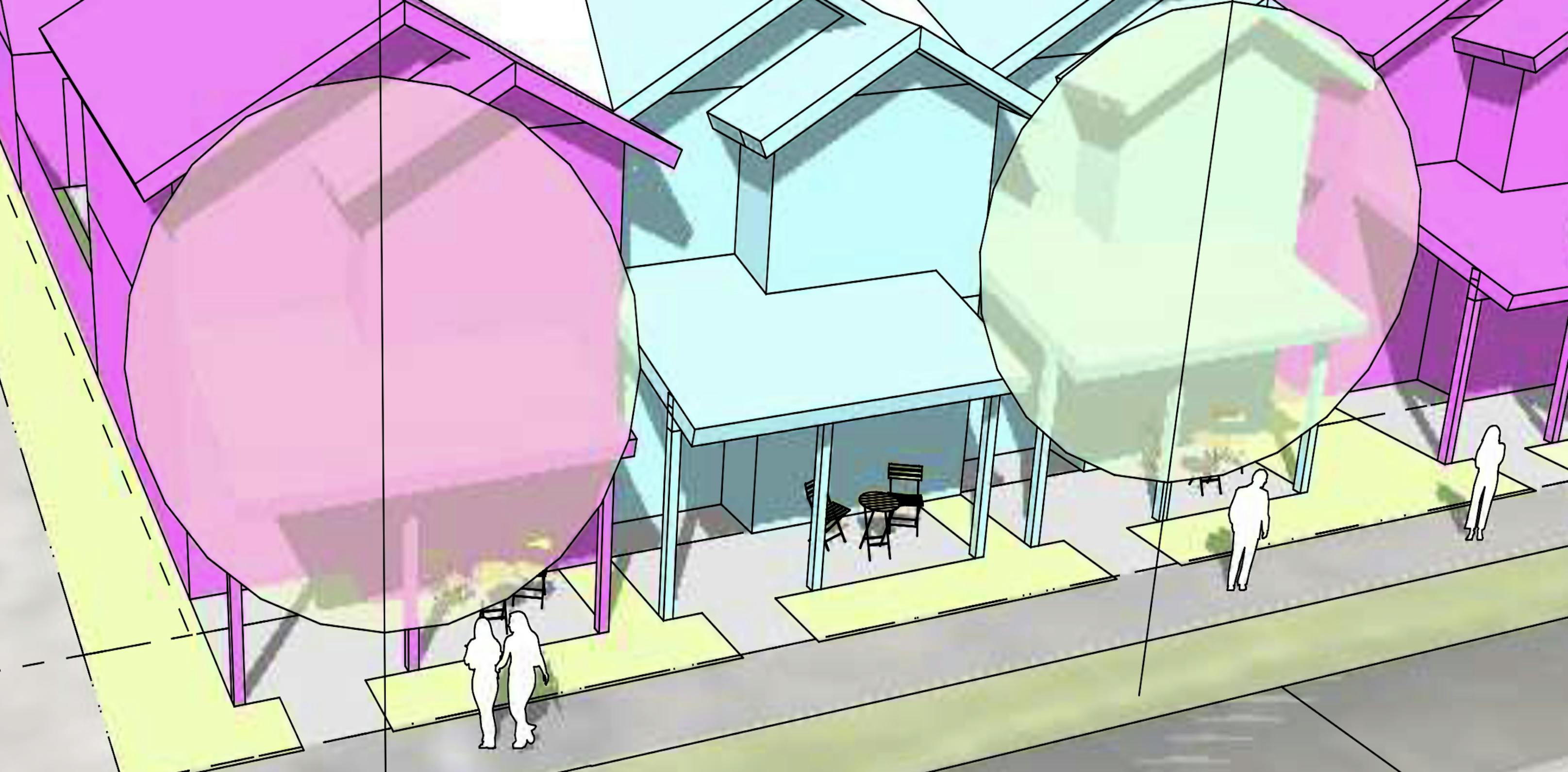
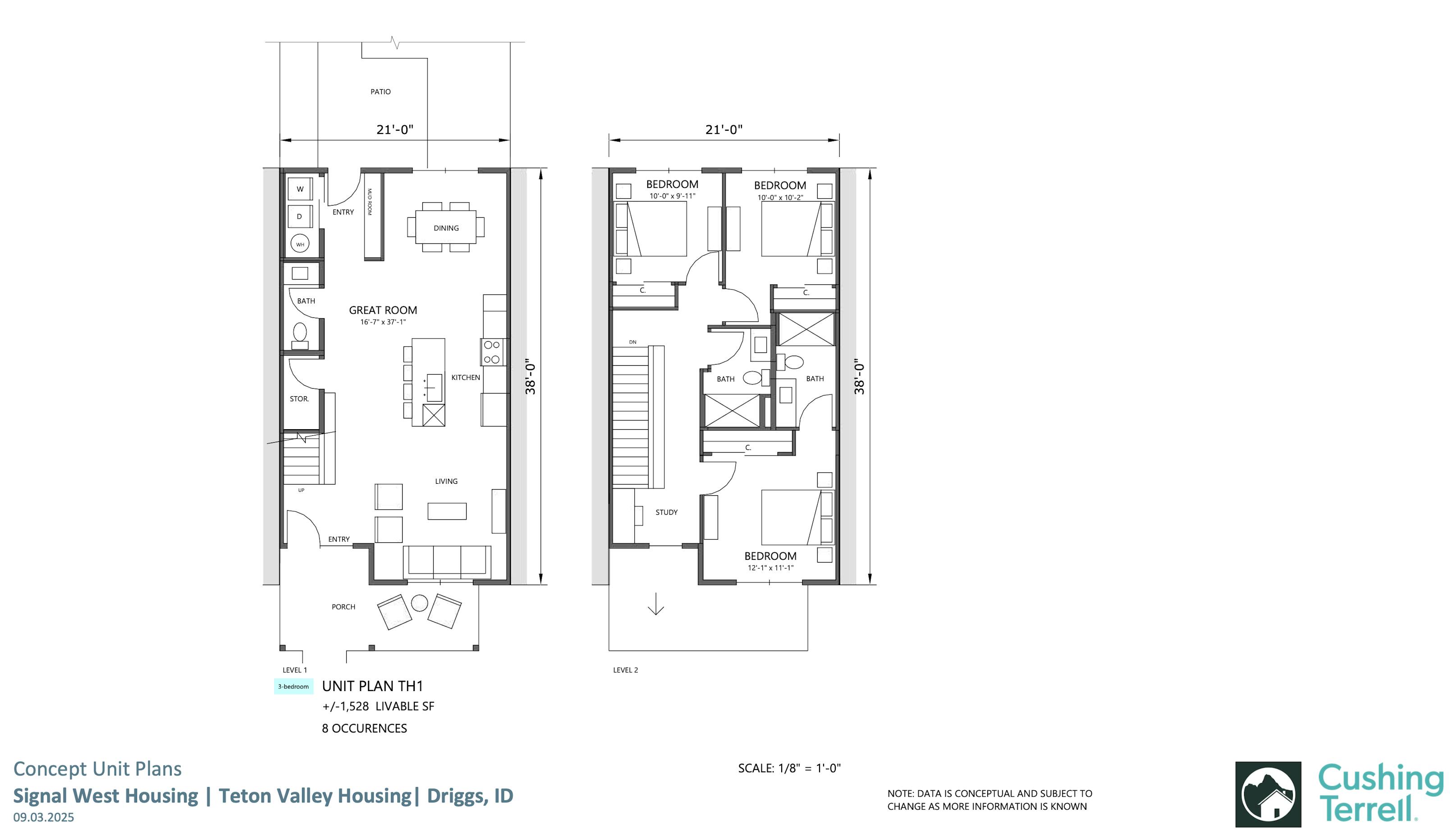
At the June 17, 2025, Commissioners Special Meeting, Cushing Terrell was selected as the Design Professional to complete the Conceptual Design for the Signal West Project as outlined in the Signal West Request for Qualifications (RFQ) released on May 12, 2025. The Signal West Project Team, which includes Cushing Terrell, Navigate Community Housing Solutions, the Housing Supply Committee of Teton Valley Housing, Harmony Design & Engineering, and Executive Director Jerod Pfeffer, worked through the initial stages of the Conceptual Design and received approval at the August 6, 2025, Teton Valley Housing Commissioners’ Regular Meeting to move forward with the Townhome direction. The Signal West Project Conceptual Design was approved at the October 1, 2025, Teton Valley Housing Commissioners’ Regular Meeting.
Signal West Project Conceptual Design
DEVELOPMENT PROCESS 4 → SIGNAL WEST PROJECT CONCEPTUAL BUDGET
Teton Valley Housing is currently developing a Conceptual Budget, assessing the capital gap needed to develop below-market-rate workforce housing at this site, evaluating fundraising paths, and evaluating development delivery systems.